Dividend checklist
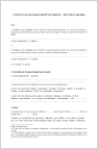
When you want to pay a dividend, there are a number of considerations to take into account to ensure it is valid. Our checklist will help you to establish that your dividends are up to scratch.
Dividends
Dividends are amounts paid to shareholders out of the accumulated profits of a company. Generally speaking, these will be paid out in direct proportion to the number of shares held in the same class - so a shareholder who has 200 shares would receive twice as much as one who has 100 shares. There can be differences due to shareholders waiving their right to dividends. The dividend is therefore a return on capital, i.e. it is a type of investment income and not earnings for tax purposes.
There are a number of things that need to be considered in practical terms when paying dividends, so we have put these together in a checklist.
Using the checklist
Refer to the checklist ahead of deciding on dividend levels, and ensure you follow each step. Provided you do this there should be no issues with your dividends being queried. You will also have all the paperwork to hand with the correct accounting entries in place.
Related Topics
-
Why is HMRC checking PVA more often?
Your business imports goods and accounts for VAT by applying postponed VAT accounting (PVA) on its returns. HMRC is scrutinising returns and issuing large assessments in some cases. What can you do to reduce the risk of getting it wrong?
-
HMRC text or scam? Check before you act
HMRC is contacting some taxpayers by text this week about overdue Self Assessment liabilities and is also sending updates about VAT registration applications. At the same time, it has expanded its guidance on spotting fake HMRC messages on social media. How can you tell whether a message is genuine?
-
Electronic VAT return and payment due